
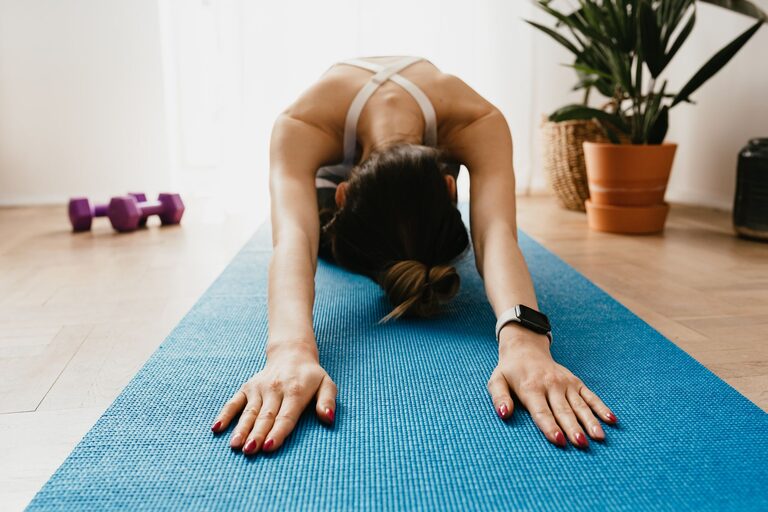
Stretching is a simple yet powerful way to improve your physical health and overall well-being. Whether you’re aiming to boost flexibility, reduce muscle tension, or simply add a relaxing routine to your day, stretching at home is a convenient and accessible option. This beginner’s guide will walk you through the basics, provide safe techniques, and offer sample stretches you can easily incorporate into your daily routine.
Why Stretch at Home?
Stretching helps improve blood flow, increase flexibility, and reduce muscle stiffness. Doing it regularly can also ease stress and improve posture. The great news is that you don’t need any special equipment or a gym membership—just a small space and a few minutes. Stretching at home allows you to go at your own pace and tailor the routine to your needs.
Getting Started: What You Need to Know
Warm Up Before Stretching
Before stretching, it’s important to warm up your muscles to prevent injury. Try 5 to 10 minutes of light activity such as walking in place, marching, or gentle arm swings. Warm muscles stretch more easily and safely.
Stretching Guidelines for Beginners
– Move Slowly: Avoid bouncing or jerking motions.
– Hold Each Stretch: Aim for 15 to 30 seconds per stretch.
– Breathe Deeply: Inhale and exhale slowly to relax your body.
– Feel the Stretch, Not Pain: If you feel sharp or intense pain, ease up.
– Stretch Both Sides: Balance is key, so don’t neglect one side of your body.
Common Types of Stretching
Understanding different types of stretches can help you choose what works best for you.
Static Stretching
This involves stretching a muscle to the point of mild tension and holding the position. It’s ideal after a workout or during a relaxation routine.
Dynamic Stretching
These are controlled movements that gently take your muscles through their range of motion. Dynamic stretching is great before exercise to prepare your body.
Active Stretching
You hold a stretch without support while using your muscles to maintain the position.
Passive Stretching
An external force, such as your hand, a strap, or gravity, helps you hold the stretch.
For beginners, static and gentle dynamic stretches are usually the safest and easiest to start with.
Effective Stretching Routine for Beginners
Here’s a simple routine targeting key muscle groups. Perform each stretch on both sides of your body.
1. Neck Stretch
– Sit or stand upright.
– Slowly tilt your head toward your right shoulder until you feel a gentle stretch on the left side of your neck.
– Hold for 20 seconds.
– Repeat on the left side.
2. Shoulder Stretch
– Bring your right arm across your chest.
– Use your left hand to gently press your right arm closer to your chest.
– Hold for 20-30 seconds.
– Repeat with the left arm.
3. Chest Opener
– Clasp your hands behind your back.
– Straighten your arms and gently lift your chest, squeezing your shoulder blades together.
– Hold for 20 seconds.
4. Seated Forward Bend
– Sit on the floor with legs extended straight.
– Slowly reach forward toward your toes, keeping your back straight.
– Hold for 20-30 seconds.
– Bend knees slightly if needed to avoid strain.
5. Cat-Cow Stretch (Dynamic)
– Start on hands and knees.
– Inhale, arch your back and look up (Cow Pose).
– Exhale, round your spine and tuck your chin (Cat Pose).
– Repeat 5-10 times slowly.
6. Quad Stretch
– Stand near a wall or chair for balance.
– Grab your right ankle behind you and gently pull it toward your buttocks.
– Keep knees close together.
– Hold for 20 seconds.
– Repeat on the other side.
7. Hamstring Stretch
– Stand and place your right heel on a low surface (like a step or sturdy chair).
– Keep your leg straight and gently lean forward from your hips.
– Hold for 20 seconds.
– Switch legs.
Tips for Making Stretching a Habit
Building a regular stretching practice is easier with these ideas:
– Set a Schedule: Stretch at the same time each day, like in the morning or before bed.
– Create a Comfortable Space: Use a yoga mat or soft surface.
– Listen to Your Body: Adjust stretches as needed to match your flexibility.
– Stay Consistent: Even 5-10 minutes daily can make a difference.
– Combine with Other Activities: Stretch after walks, workouts, or during breaks to keep moving.
When to Be Cautious
If you have any existing injuries, chronic pain, or health conditions, consult with a healthcare professional before starting a stretching routine. Always avoid overstretching or pushing through pain.
Final Thoughts
Stretching at home is an excellent way for beginners to enhance flexibility, improve posture, and reduce muscle tightness. With minimal time and no special equipment, you can enjoy the benefits right in your own space. Remember to warm up, stretch gently, and listen to your body. Over time, you’ll likely notice increased comfort and mobility in your daily life.
Start today with this simple guide and make stretching a positive, relaxing habit!