
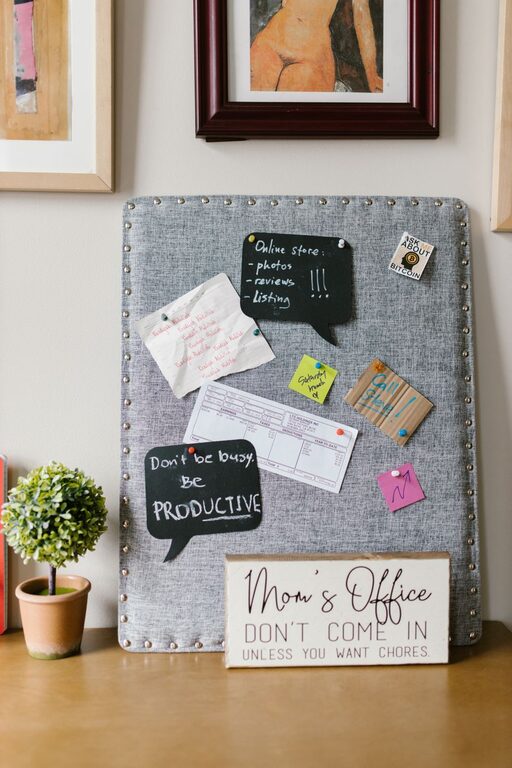
Creating a family command center can transform the way your household stays organized. It acts as a central hub where everyone in the family can find important information, coordinate schedules, and keep track of daily tasks. Whether your family is large or small, a well-designed command center helps reduce stress and keeps things running smoothly.
In this post, we’ll guide you through setting up a family command center that suits your home and lifestyle.
What is a Family Command Center?
A family command center is a designated spot in your home where essential information is accessible to all family members. Think of it as an organizational station that may include calendars, to-do lists, messages, and other tools to help manage family life.
Many families place their command center in a high-traffic area like the kitchen, hallway, or near the front door, so it’s easy to see and use daily.
Benefits of a Family Command Center
– Improved Communication: Everyone knows what’s happening and when.
– Reduced Chaos: Less chance of forgetting appointments or chores.
– Centralized Information: All family-related info in one place.
– Encourages Responsibility: Kids can take charge of their tasks and schedules.
– Saves Time: Quick access to essentials reduces last-minute scrambling.
Step 1: Choose the Right Location
Select a spot where all family members frequently pass by or spend time. Common choices include:
– Kitchen wall near the breakfast area
– Mudroom or entryway
– Hallway or laundry room
Make sure there’s enough wall space for your command center components without cluttering the area.
Step 2: Decide on the Components
A family command center can include many things, but here are some common and effective components:
Calendar
Use a large wall calendar or whiteboard calendar to track appointments, events, school schedules, and activities.
Message Center
A space for leaving notes, reminders, or inspirational quotes. This can be a corkboard, magnetic board, or dry-erase board.
Mail Organizer
Designate slots or baskets for incoming and outgoing mail, permission slips, bills, and important papers.
Chore Chart
Help kids keep up with their responsibilities by including a chore chart with clear tasks and deadlines.
Key Hooks
Avoid lost keys by having dedicated hooks for house, car, and other important keys.
Supplies Station
Include a small container or drawer for pens, markers, scissors, tape, and other office supplies.
Charging Station (Optional)
If space allows, add a spot to charge phones and tablets, keeping devices organized and accessible.
Step 3: Gather Materials and Tools
Depending on your design, you might need:
– Corkboard, magnetic board, or whiteboard
– Frames, clips, or folders for organizing papers
– Command hooks or nails for hanging keys and supplies
– Baskets or trays for mail and supplies
– Labels to keep everything neat and easy to find
– Markers, pens, and sticky notes
Many of these items can be found at office supply stores or online.
Step 4: Design and Assemble Your Command Center
Plan your layout before installation. Consider:
– What your family needs most
– The visibility and accessibility of each part
– How often items will be updated or changed
You can create a symmetrical design with equal-sized sections or a more free-form approach depending on your style and space.
Hang boards and hooks securely on the wall, place baskets or trays on a nearby table or shelf, and add labels to keep things organized.
Step 5: Make It a Family Habit
Once your command center is set up, encourage every family member to use it daily. Here are some tips to make it work:
– Review the calendar together every morning or evening.
– Check and update the chore chart regularly.
– Use the message center for quick communication.
– Sort mail promptly and place papers in their correct slots.
– Keep supplies stocked and organized.
– Adjust the system as needed to fit your changing needs.
Tips for Success
– Keep It Simple: Don’t overcrowd your command center; focus on the essentials.
– Customize It: Tailor the setup to your family’s unique schedule and routines.
– Use Color Coding: Assign colors for each person or activity to make scanning easier.
– Make It Fun: Let kids decorate or personalize their section to increase engagement.
– Review and Refresh: Periodically clean up outdated items and refresh your system.
Alternative Ideas and Digital Options
While physical command centers are very effective, some families may prefer digital tools like shared calendars, task apps, or messaging platforms. You can also combine both by having a physical station with QR codes or links to digital schedules.
Final Thoughts
Setting up a family command center is a simple yet powerful way to bring order to your busy household. With a little planning and creativity, you can create a space that keeps everyone informed, prepared, and connected. Start small, and customize it to work best for your family’s needs.
Give your family the gift of organization with a command center that helps everyone stay on track and enjoy more quality time together.